Economic Impact State Investment MASC Boards TDD  

About us

Minnesota Amateur Sports Commision
The MASC was created in 1987 by the Minnesota State Legislature to promote the economic and social benefits of sports. Since then, the MASC has made enormous strides in accomplishing its goals. In the 14 years since the inception of the MASC, Minnesota has become a role model state for its proactive methods of creating benefits from amateur sports. The MASC has been at the forefront of this effort.

The agency has become best known for two things:

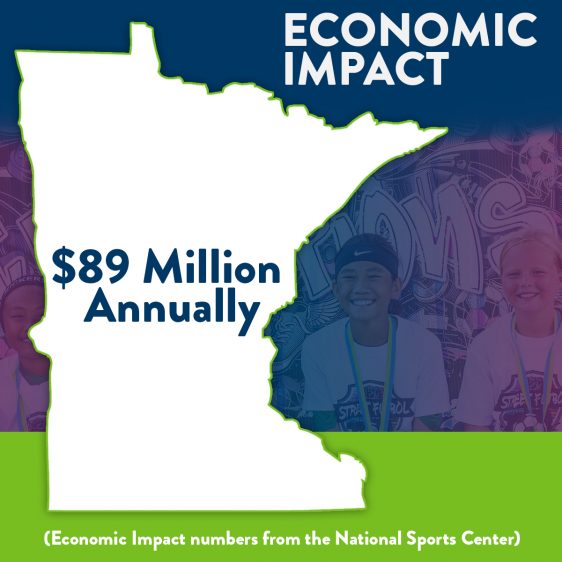
  • Creating amateur sports events which attract out-of-state attendance, generating economic impact for the state.
  • Fostering public/private and state/local partnerships. Many MASC programs have utilized this model, including facility construction and the Mighty Ducks and Mighty Kids grant programs.


MASC Goals

1. To create economic impact development through amateur sport

  • By developing annual sport events, camps and programs
  • By attracting major sport events to Minnesota
  • By assisting Minnesota communities in developing local sports tourism

1999 & 2000

  • Highlights Continued the growth and maturation of the MASC’s six major annual events: Schwan’s USA CUP, All-American Girls Soccer Tournament, USA International Hockey Tournament, Great American Shoot Out, All-American Girls and Women's Hockey Tournament, and Star of the North State Games.
  • Created a new tourism event, the International Kickoff boys soccer tournament.
  • Hosted the International Skating Institute World Precision Skating Championships at the Schwan’s Super Rink on the National Sports Center campus.
  • Successfully hosted the 2001 Women’s World Hockey Championship, which was played in the Twin Cities, Rochester and St. Cloud in early April.
  • Assisted the local organizing committees in the production of five international and national events: 2000 World Precision Figure Skating Championships, 1999 World Cup Speedskating Sprints, 2000 ISI World Figure Skating Championships, and the 1999 and 2000 National Junior College Wrestling Championships.

2. To create the maximum opportunity for sport participation for all Minnesotans

  • By sponsoring Olympic-style summer and winter State Games events
  • By targeting special programs to increase opportunity for women, seniors, and disadvantaged
  • By assisting local communities in the creation of annual events and local sports commissions
  • By supporting Minnesota’s amateur sport associations and organizations

1999 & 2000 Highlights

  • Organized the 11th and 12th annual Star of the North State Games, in Rochester (1999) and Roseville (2000). A total of 16,077 Minnesota athletes participated in these two events.
  • Granted $2.5 million to 68 local units of government to build new amateur sports facilities, especially soccer fields. This was done through a new grant program, administered jointly with the Department of Children, Families and Learning.
  • Through the Mighty Kids Youth Sport Grant Program, awarded $800,000 in grants to worthy youth sport organizations around the state.
  • Through the Minnesota Amateur Sports Commission Foundation, granted over $34,760 in 1999-2000 to help amateur sport organizations around the state.
  • Helped to facilitate the creation, and nurture the growth of local sports commissions in Rochester, St. Cloud, Moorhead, Owatonna, and Twin Cities North Metro.

3. To establish Minnesota as a national model for the Olympic and amateur sport movement

  • By developing Olympic-caliber training and event facilities for all winter and summer sports
  • By establishing relationships with the National Governing Bodies and other sports organizations

1999& 2000 Highlights

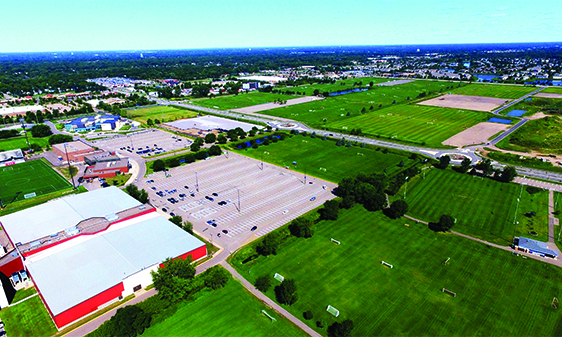
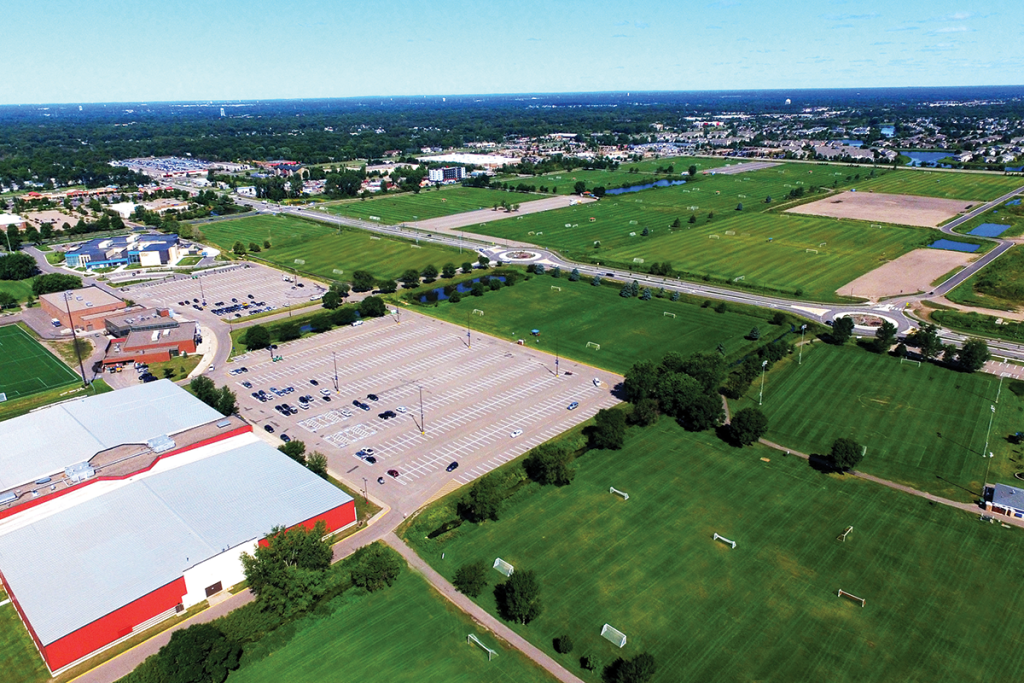
  • Spearheaded the development and construction of the four-sheet Schwan’s Super Rink at the National Sports Center in Blaine. Initiated funding for a new National Youth Golf Center, to be built at the National Sports Center. Obtained planning money to develop a Sport Conference Center at the National Sports Center. Supervised the continued successful financial administration of the National Sports Center.
  • Through a $1 million grant from the U.S. Olympic Committee, helped operated the new Community Olympic Development Program, a grassroots development program for the sports of women’s hockey, cross-country skiing and biathlon, weightlifting, curling, and snowboarding.

MASC pioneers stunning growth of women’s ice hockey in Minnesota

When the US Women’s Olympic Hockey Team stepped onto the gold medal stand at the 1998 Nagano Olympics, more than a few Minnesotans smiled with pride about the role our state played in the stunning growth and development of girls and women’s hockey. How did a sport that just 15 years ago was regionally-based, with strength primarily in the Northeast, now produce the best women’s hockey team in the world?

While many Minnesota leaders played a role in pushing female hockey forward, the Minnesota Amateur Sports Commission played a unique leadership role.

“Ten years ago, Minnesota was back in the pack nationally in women’s hockey,” says Wayne Faris, MASC chair from 1987 to 1991. “Now we have more registered players than any other state and Minnesota women form the core of possibly the best women’s hockey team in the world.”

Here are some of the historic landmarks that marked Minnesota’s march to the top of the women’s hockey world.

1989: The Minnesota Legislature passes a law requiring equal access to ice time for girls and women.

1991: The MASC actively supports the fledgling sport of ice ringette. Ringette supporters would prove instrumental in fighting some key legal battles to open ice arenas and school district sport programs to girls.

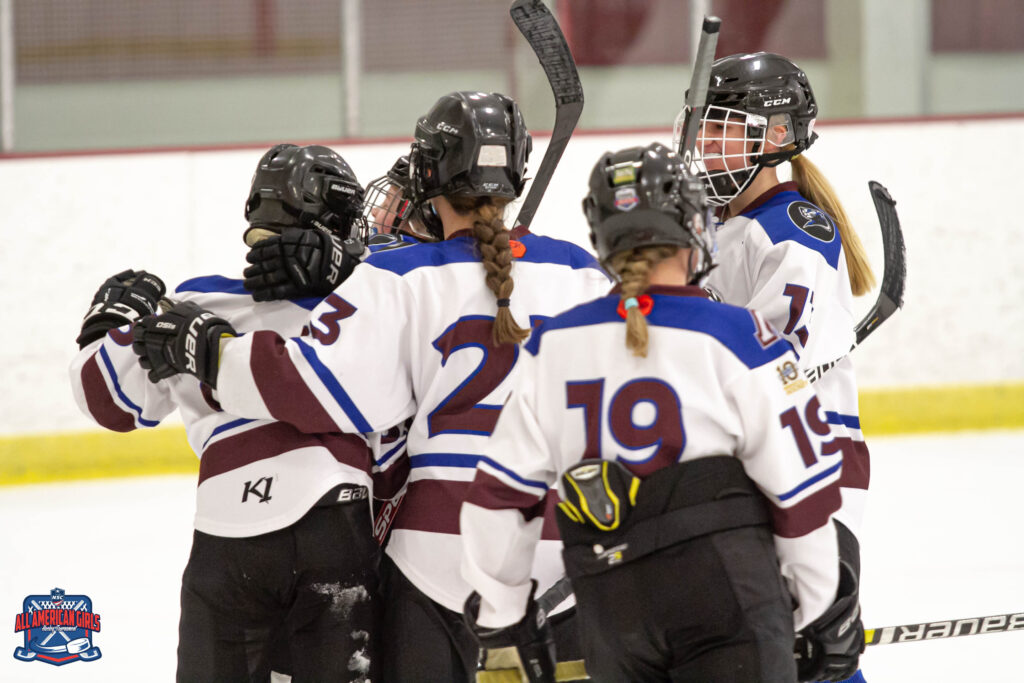
1994: The MASC holds the first All-American Girls and Women’s Ice Hockey Tournament, the first of many ice events created by the MASC to fuel the growth of female hockey programs.

1995: The MASC’s Mighty Ducks Ice Arena grant program awards its first grant. Eventually over $18 million will be awarded to help communities build new ice facilities, producing a net gain of 61 new sheets of ice statewide. The result: unprecedented access to prime ice hours for girls and women.

1999: The MASC bids for and is awarded the 2001 Women’s World Hockey Championship, the premier female hockey event in the world.
Five Minnesota athletes are named to the U.S. team: Winny Brodt, Roseville; Annamarie Holmes, Apple Valley; Alana Blahoski, St. Paul; Natalie Darwitz, Eagan; and Krissy Wendell, Brooklyn Park. Also on the team is Karyn Bye of nearby River Falls, Wisconsin.

2000: USA Hockey reports 7,137 registered female hockey players in Minnesota, by far the greatest in the U.S. and more than 2,200 more than the next largest state, Massachusetts. Minnesota Hockey, the state affiliate of USA Hockey, reports that overall, more than 10,000 Minnesota women and girls are playing in organized programs.

“Without a doubt, the MASC has contributed to this growth, in ways that were unique, creative and visionary,” says Lynn Olson, Minnesota Hockey’s chair of girls and women’s hockey. “Without their efforts we would not be in the position of leadership we are in today.”


About us | Facilities | Links | Contact us
1700 - 105th Ave NE Blaine, MN 55449 phone 763.785.5630 fax 763.785.5699
© Copyright 2004 Minnesota Amateur Sports Commission